

Natural Burial - A Gentler Goodbye, A Living Legacy
Trees and wildflowers, not headstones. Where life continues.
What if our final act on this earth could help give something back to the natural world?
At Gentle Endings Natural Burial Grounds, we believe that caring for those who have died should not come at the expense of the living world.
Natural burial offers one of the most environmentally responsible ways to lay someone to rest. By allowing the body to return naturally to the earth, without cremation, conventional embalming chemicals or non-biodegradable materials, we can minimise unnecessary environmental impact whilst creating beautiful, peaceful places of remembrance.
But we believe natural burial offers something even more extraordinary.
The opportunity for our final resting places to become part of nature's recovery.
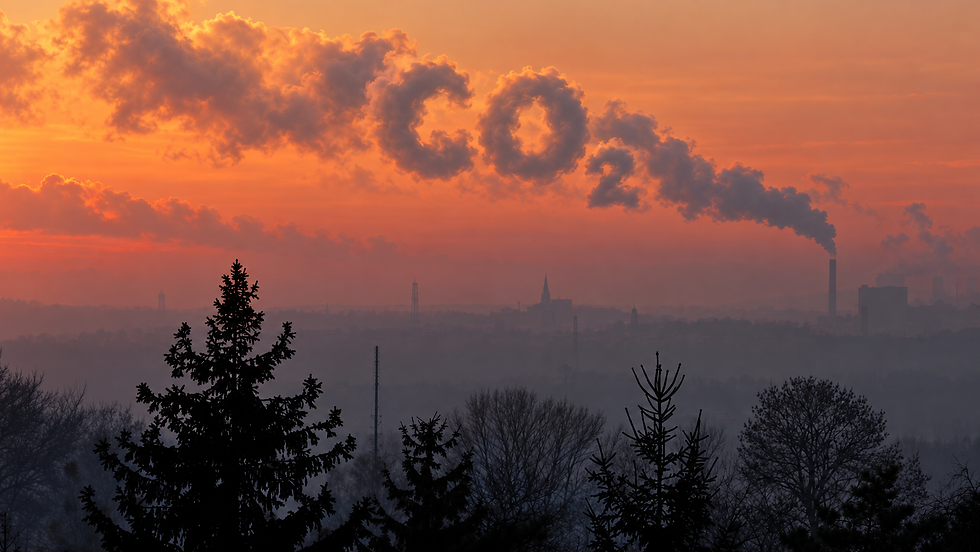
The Environmental Cost of Cremation
In the UK, approximately 80% of people are cremated. For many families, cremation has become the default choice, often without a full understanding of its environmental implications.
Most crematoria still depend on energy-intensive processes, traditionally powered by natural gas, to achieve the temperatures necessary for cremation.
Independent research by Planet Mark estimates that a typical gas cremation consumes approximately 600 kWh of natural gas, producing around 126 kg of CO₂ equivalent emissions from gas consumption alone.
And when multiplied across hundreds of thousands of cremations each year, the cumulative impact becomes considerable.
Using current illustrative mortality and cremation rates, if England continued cremating approximately 80% of those who die over the next century, and gas-cremation emissions remained unchanged, this could amount to around:
5.4 MILLION TONNES OF CO₂ EQUIVALENT
That's from the gas used for cremation alone, without accounting for the wider environmental impact of funeral transport, coffin manufacture and other associated activities.
These figures are illustrative, rather than a forecast of future emissions. Nevertheless, they raise an important question:
When there is a gentler, less energy-intensive way to care for our dead, shouldn't we make that choice more accessible?
DID YOU KNOW THAT ASHES ARE
TOXIC TO SOIL & PLANTS?


What If Our Final Resting Places Helped Restore Nature?
Since the 1930s, approximately 97% of wildflower meadows in England and Wales have disappeared.
These extraordinary habitats once supported a richness of wildflowers, pollinating insects, birds and small mammals. Their loss has had profound consequences for biodiversity.
England now has a legally binding target to create or restore more than 500,000 hectares of wildlife-rich habitats by 2042.
We believe natural burial grounds can become a meaningful part of that recovery.
Imagine peaceful meadows alive with butterflies and bees. Native trees providing shelter for birds, wildflowers supporting pollinators, hedgerows offering habitat for hedgehogs and other wildlife, and land carefully nurtured for generations.
Rather than replacing nature with monuments, we can create living landscapes where remembrance and ecological restoration exist together.
A place where someone is laid to rest can also become a place where countless other lives are supported.

80%
Of UK deaths result in cremation
79%
Of our wildflower
meadows lost
5.4
million tonnes of CO₂ equivalent emissions
could be generated by gas cremations in England over the next 100 years if current cremation rates and emissions per cremation remain unchanged.